There’s nothing that kills your mood faster than turning the key and hearing… nothing. No roar. No crank. Just silence. That’s when you realise your battery’s done you dirty.
Whether you’re parked at work, at the shops, or in your own driveway, knowing how an auto jump start battery works can save you time, money, and a whole lot of frustration.
Why Car Batteries Fail in the First Place
 Car batteries don’t just die out of nowhere. Most of the time, there’s a reason:
- You left the headlights on
- The battery is more than 3–5 years old
- Extreme heat drained it faster than usual
- There’s a fault in your charging system
- You haven’t driven the car in weeks
When your battery is flat, you’ve got two options: jumpstart auto and get moving again, or go straight for a car battery replacement.
The right move depends on the condition of the battery.
What Is an Auto Jump Start Battery?
An auto jump start battery usually refers to either:
- A portable jump starter pack you keep in your boot, or
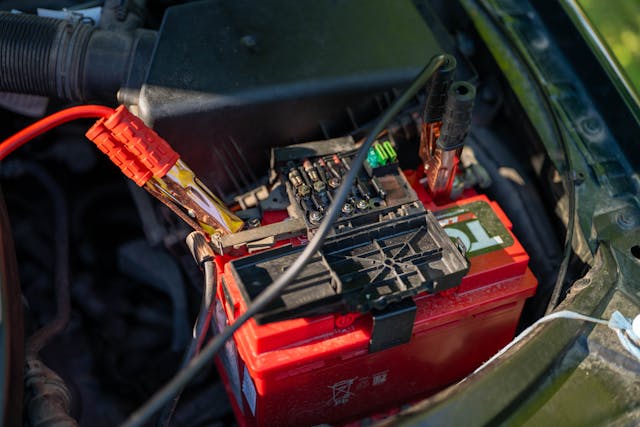
- Using another vehicle’s battery and jumper leads to start your car
Both methods temporarily give your dead battery enough power to crank the engine.
Here’s the thing though, jump starting is a short-term fix. It gets you going. It doesn’t magically repair an old or failing battery.
If your battery is healthy but just drained (like from leaving interior lights on), a jumpstart auto solution works perfectly. Drive for at least 20–30 minutes afterwards so your alternator can recharge it.
If the battery dies again the next day? That’s your sign. You’re probably due for a car battery replacement.
When Jump Starting Isn’t Enough
There are clear warning signs your battery is on its last legs:
- Slow engine crank
- Clicking noise when turning the key
- Dashboard lights flicker
- Battery warning light stays on
- You need frequent jump starts
If this sounds familiar, stop relying on an auto jump start battery solution. You’re delaying the inevitable.
A proper car battery replacement ensures your vehicle starts reliably every time. No more stress. No more asking strangers for jumper leads in car parks.
How Long Does a Car Battery Last?
On average, 3–5 years. But in hotter climates, batteries tend to wear out faster. Heat evaporates internal fluids and damages internal components.
If your battery is nearing the 3-year mark, get it tested. It’s better to replace it early than be stuck somewhere inconvenient.
Can You Replace It Yourself?
Yes, if you’re confident and know what you’re doing. But modern vehicles often have:
- Battery monitoring systems
- Memory settings
- Tight engine bays
Incorrect installation can cause electrical issues. That’s why many drivers prefer professional car battery replacement services. It’s quick, safe, and usually done in under 30 minutes.
Driver Questions Answered
How long should I leave jumper cables connected?
Usually 3–5 minutes before trying to start the dead vehicle. If it doesn’t start, wait a few more minutes.
Can an auto jump start battery damage my car?
Not if used correctly. Incorrect cable placement can cause sparks or damage. Always follow proper connection order.
Why does my car die again after a jumpstart auto?
Your battery may no longer hold charge. It likely needs a car battery replacement.
Is it better to charge or replace?
If the battery is fairly new and was drained accidentally, charging is fine. If it’s old or repeatedly failing, replace it.
How do I know which battery fits my car?
Check your owner’s manual or consult a professional. Size, cold cranking amps (CCA), and terminal position matter.
Bottom line? An auto jump start battery is your emergency backup plan. A proper car battery replacement is your long-term solution. Know the difference and you’ll never be caught off guard.